 I found myself thinking a lot today about General Motors announcing layoffs for over 14,000 employees – 6,000 hourly and 8,000 salaried workers. This affected the factory workers making the cars, engineers designing the cars, managers, and executives. I know one of those workers.
When you talk about the pursuit of financial freedom, often you may have a vision of sunny beaches and European cruises. Younger folks may be thinking instead about a cross-country RV trip with the entire family or spending a year hiking across Southeast Asia.
But instead of being aspirational, I have to admit that my pursuit started with a basis in fear. I am afraid of being broke, bankrupt, or having to beg someone else for help. I hate, hate, hate not being control. Most households do not have the ability to withstand a few months of unemployment without major disruption. I can’t stand that feeling of vulnerability.
Financial freedom is not a black and white thing. It is a gradual process of increasing your resilience to things outside your control.
- Once you save up $500, you can withstand a car breakdown or a broken appliance. You don’t pay for your rent in weekly increments. You can pay for minor things without starting a cycle of debt that eventually spins out of control.
- Once you have a couple of months of expenses saved up, you can withstand a decent-sized medical bill or a series of bad luck that would otherwise send you into high-interest debt.
- Once you have a year of expenses saved up, you can withstand a layoff and short-term unemployment. You have the ability to move to a better geographic location to pursue better opportunities. You have options. You are not stuck.
- Once you have a few years of expenses saved up, you can withstand a layoff and longer-term unemployment. You can train yourself for something different, something better, something more aligned with your values. With or without a primary job, you can take some risks, perhaps start a new business venture.
- Once you have more than 10 years of expenses saved up, honestly, you have more money saved up than most people ever will at any age. If you reach this point, you probably have a system in place where it is likely just a matter of time until your investments grow that amount ever higher.
GM says they are trying to save money while times are good. Individual workers may need to have the same idea. From the Reuters article Money disasters can derail retirement:
Contrary to popular retirement saving strategies that are based on the assumption that procrastination is the root of the problem, the Rand researchers think there should be more focus on the probability of money disasters, which are much more common than most people assume. That scare would get people to focus on saving more during good times.
Many of my friends are that mix of skilled and lucky that the last time they involuntarily ended their job, they quickly found another job that paid even more. Maybe you’re one of those people too. But in the next big recession, which may or may not arrive soon, things might not be so easy.
Karyn Golden’s income was approaching $200,000 as she lived a carefree single existence at the peak of her career in Chicago, 20 years ago. She brokered real estate deals, served on boards and lunched with political leaders. She never imagined she would be where she is now – 70 and down to her last $200 in savings.
 I started sharing my net worth anonymously because it was so hard talk about it publicly. Even today, my site logo is a voice bubble with money inside. Fast forward nearly 15 years later, and it is still unlikely that you know your coworkers’ salaries, let alone their net worth!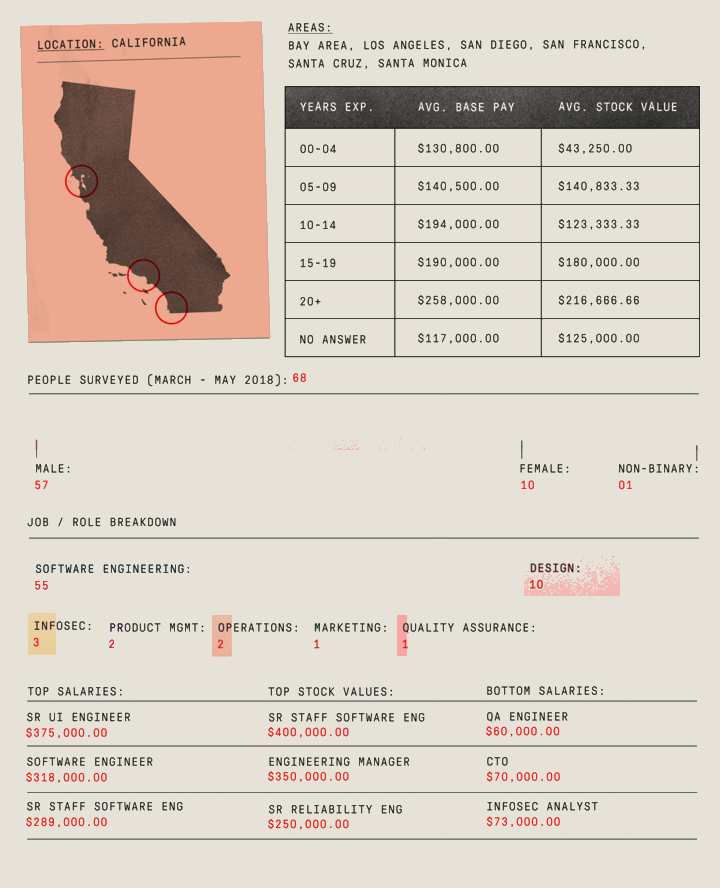
 Reading children’s books to my kids has become a regular source of new wisdom. I guess that’s not surprising, if the goal is to teach kids about life. Here’s one that came across recently and keeps popping back in my head.
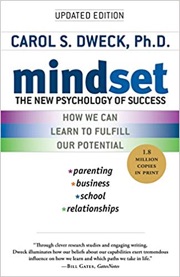 The power of mindset was popularized by psychology professor Carol Dweck in her book


 Here is some career advice by longtime Silicon Valley executive Ben Fathi in his post
 The American Enterprise Institute used newly-released
 The growing appreciation of behavioral psychology in investing is basically us admitting that we aren’t perfectly rational. When you make people automatically opt-in to 401(k) plans and make their contributions increase automatically, they save more. We value stocks more simply because we own them (“endowment effect”). We hate losing money more than we enjoy winning (“loss aversion”).
 I’ve been told that my blog isn’t personal enough. Father’s Day seemed like an appropriate time to share how our efforts towards financial freedom have altered our day-to-day lives.

 The Best Credit Card Bonus Offers – 2025
 Big List of Free Stocks from Brokerage Apps
 Best Interest Rates on Cash - 2025
 Free Credit Scores x 3 + Free Credit Monitoring
 Best No Fee 0% APR Balance Transfer Offers
 Little-Known Cellular Data Plans That Can Save Big Money
 How To Haggle Your Cable or Direct TV Bill
 Big List of Free Consumer Data Reports (Credit, Rent, Work)