For years, the traditional 401(k) plan has been the most popular workplace retirement account. However, there’s a new alternative that’s been growing steadily in the past decade: the Roth 401(k). Learn how a Roth 401(k) works and whether it’s right for you here.
You searched for
Early 401k Withdrawals
12 articles
The simplified employee pension individual retirement account (SEP IRA) helps self-employed workers save for retirement and get similar tax benefits as employees with traditional retirement plans. Learn SEP IRA rules and eligibility, and the pros and cons of these accounts for small-business owners.
Keogh plans are lesser-known retirement vehicles designed for the self-employed. Although they can be difficult to qualify for and administer, they offer incredibly high contribution limits for those looking to catch up on retirement savings. Learn about Keogh plans and their pros and cons.
You have many retirement account options, with rules and contribution limits that change regularly. Congress has raised the contribution limits for some retirement accounts but not others. Learn the rules and this year’s contribution limits for whichever accounts you personally use.
TaxAct is affordable at all service levels, which is a boon to anyone with a complicated tax situation. But that doesn’t mean it’s right for everyone. Learn more about TaxAct’s pricing, products, and customer service to determine whether it’s right for you.
Your 20s offer the best opportunity to build long-term wealth through compounding. Start young, and you can let time do the heavy lifting for you. Wait, and you’ll need to save exponentially more money just to catch up. Learn the keys to investing in your 20s.
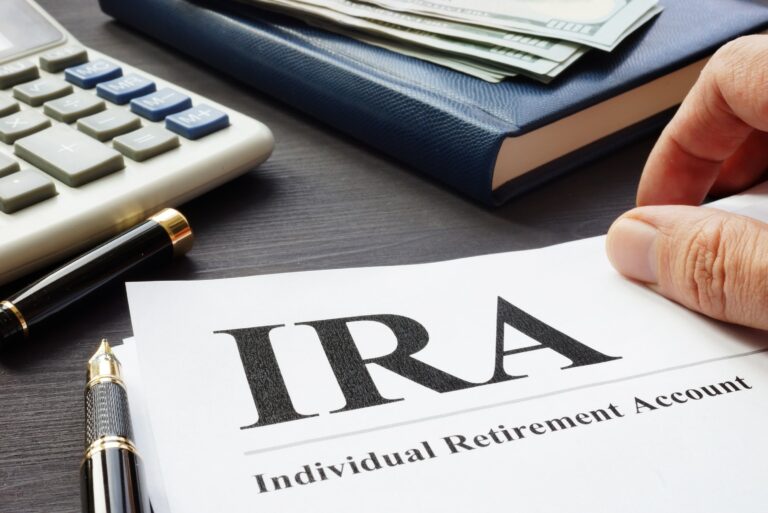
Self-employed people can choose from several different retirement plan options. These include traditional and Roth IRAs, SEP IRAs, SIMPLE IRAs, solo 401(k)s, and even a self-employed pension. The best fit for you and your business depends on your business structure, number of employees, and income.
Unaffordable health insurance premiums have forced many Americans to choose insurance plans with high deductibles. Thankfully, you can set aside money tax-free in a health savings account (HSA) to cover out-of-pocket medical costs. Read on to learn how HSAs work and whether they’re right for you.
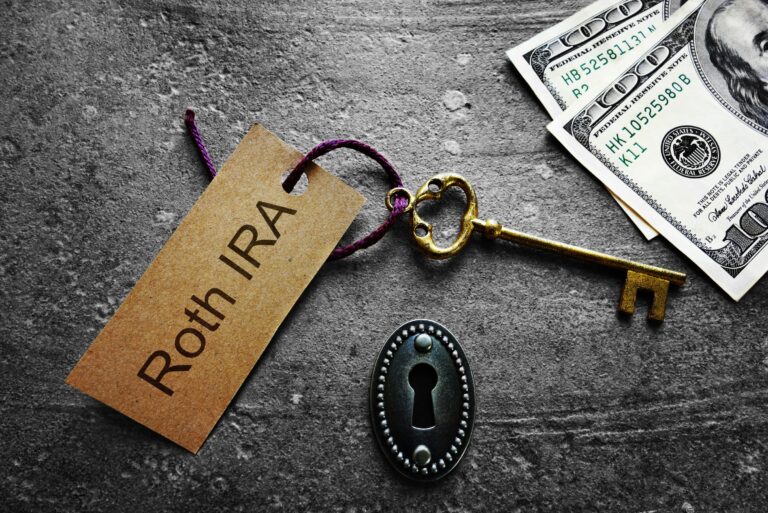
Two of the most common financial mistakes are failing to save enough for retirement and failing to take full advantage of tax-sheltered accounts. Fortunately, one solution can help with both problems: the Roth IRA. Learn what a Roth IRA is and how you can invest in one.
It’s alarming how easy it is to get in over your head with debt. A debt settlement program can help you escape, but it’s not the right choice for everyone. You have to do the math yourself to decide whether settlement is the best solution to your debt problems.
Roth IRAs are popular tax-sheltered accounts for retirement savings, but they limit the amount you can contribute each year and exclude some higher-income savers. A backdoor Roth contribution is a way around these limits. Learn how you can use a backdoor Roth contribution.
For many parents these days, saving for their child’s college education seems like a necessity. Financial aid and scholarships rarely cover 100% of the cost of higher education, and with the price of a college education rising along with awareness of the burden of student loans, some parents consider saving for their child’s college a part