
Retirement
12 articles

While there are a variety of investment options available to everyone, an astute investor must practice good fundamentals to control risks and optimize potential returns, including taking the time to be informed. As stated by Peter Lynch, renowned manager of the Fidelity Magellan Fund from 1977 to 1990 who beat the S&P 500 index 11

When you’re planning for your retirement, understanding how 401(k)s and IRAs work is essential. Each has an important place in your retirement saving strategy, and using them to their full potential can help you build your retirement nest egg. Here’s what you need to know.

If you’re self-employed, investing in a workplace 401(k) plan isn’t an option. Fortunately, there’s another retirement option for self-employed people that’s not as well-known: the solo 401(k). Here’s how the solo 401(k) works and how to decide if it’s the right plan for you.

Having an employer make matching contributions to your retirement account is a common and valuable perk. But the money your employer adds to your 401(k) might not be yours right away; often, it’s subject to vesting. What is vesting and how does it impact your retirement savings? Read on to learn more.
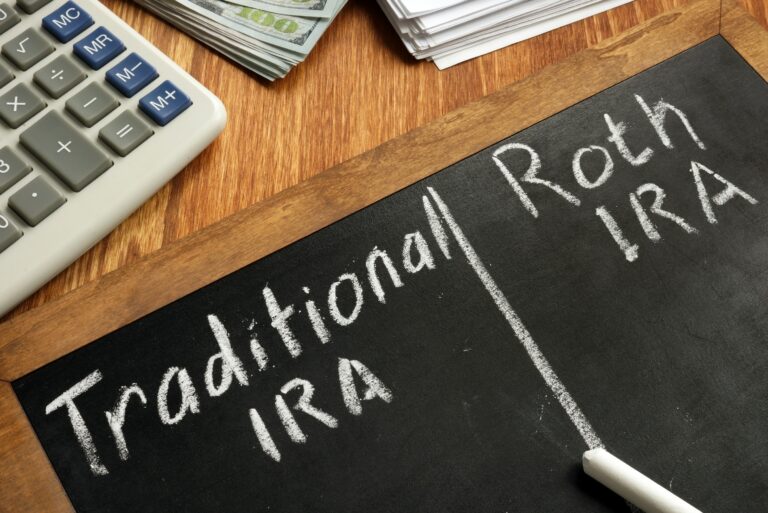
Americans have several options to save for retirement in tax-sheltered accounts, notably in individual retirement accounts (IRAs). These accounts come in two types: traditional and Roth IRAs. What’s the difference, and what are the rules and limits for contributing to each? Find out here.

Many Americans aren’t saving enough for retirement. The common advice is often for workers to step up their savings and set aside at least 10% of their income in their workplace 401(k) plan. But is a 401(k) really the best way to invest? We take a closer look.

When it comes to retirement savings, there’s good news, bad news, and more bad news. The good news is that most Americans today have access to a workplace retirement plan, such as a 401(k). A 2018 study at Stanford University found that roughly half of all U.S. households have access to a work-based retirement plan,

The Setting Every Community Up for Retirement Enhancement Act (SECURE Act) changed some of the rules about when people who inherit an IRA can withdraw the funds. As you plan your retirement, make sure you understand the new rules and adjust your estate planning accordingly.

A 403(b) retirement savings plan is a tax-advantaged way for public school and nonprofit employees to save for retirement. What is a 403(b) plan, how does it work compared to other retirement accounts, and should you participate if your employer offers one? Find out here.

For families with a nonworking spouse, the IRS allows both spouses to contribute to IRAs based on the joint household income to help them save more money for retirement. Learn about spousal IRAs, their rules, who is eligible to contribute, and the benefits of using these tax-sheltered accounts.

In his book “Early Retirement Extreme,” Jacob Lund Fisker suggests a model for retiring after just five years of working. The idea has plenty going for it, but it remains a fringe movement. Learn about early retirement extreme — both the math and the personal finance foundations behind the concept.

Americans are increasingly on their own for retirement planning. However, you don’t necessarily need to save millions of dollars to have a comfortable retirement. Here are 11 ideas to approach your retirement planning more creatively and ensure you have the income you need in your golden years.
Trending stories
Explore Invest Money
You’re saving it. Now put it to work for your future.