
Retirement
12 articles
Vanguard Digital Advisor is a low-cost robo-advisor for long-term investors who want to own broadly diversified portfolios. It’s a solid, inexpensive, beginner-friendly option. Learn about Vanguard Digital Advisor, its key features, and its pros and cons to determine whether it’s right for you

Employees of state and local governments and some nonprofit organizations have access to 457(b) retirement plans. These plans are similar to 401(k) or 403(b) plans, with a few differences. Learn about what 457(b) plans are, how they work and the pros and cons of investing in one if you’re eligible.

Just because you opened a 401(k) with one employer doesn’t mean you have to leave your money there after you leave the company. You can roll over your retirement savings from one employer-sponsored account to another, or to an individual retirement account (IRA). Learn how to roll over a 401(k).
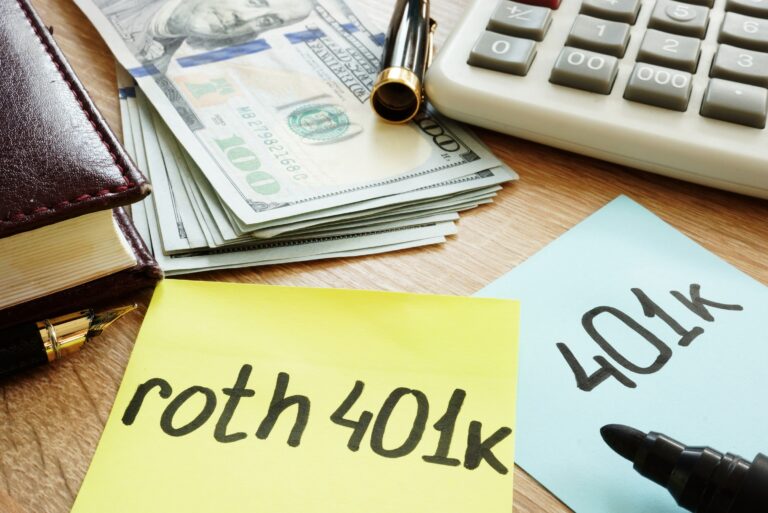
For years, the traditional 401(k) plan has been the most popular workplace retirement account. However, there’s a new alternative that’s been growing steadily in the past decade: the Roth 401(k). Learn how a Roth 401(k) works and whether it’s right for you here.
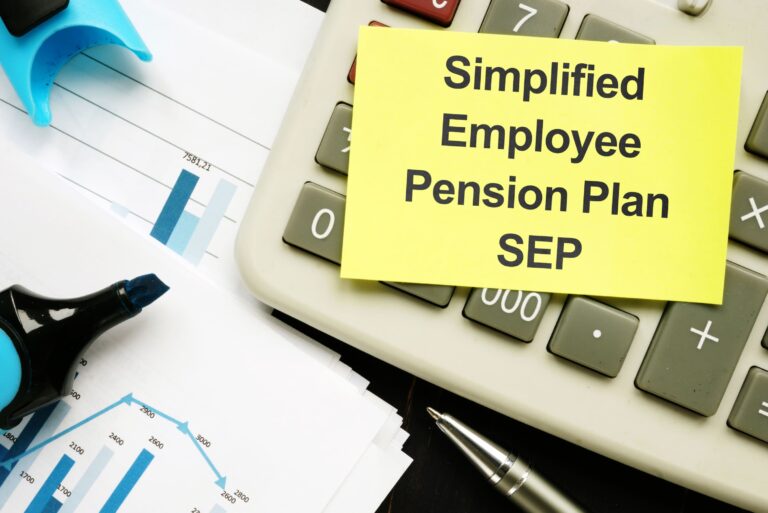
The simplified employee pension individual retirement account (SEP IRA) helps self-employed workers save for retirement and get similar tax benefits as employees with traditional retirement plans. Learn SEP IRA rules and eligibility, and the pros and cons of these accounts for small-business owners.

Keogh plans are lesser-known retirement vehicles designed for the self-employed. Although they can be difficult to qualify for and administer, they offer incredibly high contribution limits for those looking to catch up on retirement savings. Learn about Keogh plans and their pros and cons.

401k’s. IRAs. Roth accounts. Early-withdrawal penalties. Educating yourself about the various retirement plan options is intimidating, and figuring out how much you should be saving can be even scarier. To assist you in this essential aspect of financial planning, take a look at this infographic and determine just how much you need to be saving

Self-employed people can choose from several different retirement plan options. These include traditional and Roth IRAs, SEP IRAs, SIMPLE IRAs, solo 401(k)s, and even a self-employed pension. The best fit for you and your business depends on your business structure, number of employees, and income.

The government wants to help you save for retirement by giving you incentives like tax-deferred growth and deductible contributions through IRAs and work-sponsored plans. But while the government forgoes taxes on the front-end, it doesn’t want to end up entirely empty-handed. At the age of 70 1/2, you’re required to start taking withdrawals from most
You have many retirement account options, with rules and contribution limits that change regularly. Congress has raised the contribution limits for some retirement accounts but not others. Learn the rules and this year’s contribution limits for whichever accounts you personally use.

You must understand the tax implications of your retirement accounts so you know how much money you’ll have available when you need it. When you retire and start withdrawing money from your IRA and 401(k), the taxes you owe can take a big chunk out of your total. Learn what to expect here.
Trending stories
Explore Invest Money
You’re saving it. Now put it to work for your future.